D-SNP & C-SNP Medicare Advantage Find an SEP, and Sell All Year Around
Knowledge is power GET TO KNOW YOUR OEP AND SEP.
We want to give you tools and training to support year-round sales so you can maximize your earning potential beyond AEP. Join us at our upcoming D-SNP and C-SNP trainings to learn how you can take advantage of this untapped market.
We’ve made it easy! Join our upcoming events.
D-SNP and C-SNP SEP Guidelines
Videos, flyers, and exercises to help you understand the Enrollment Period and Special Election Period (SEP) guidelines.
Streamlined Carrier Approval Process for C-SNP
Find out how you can easily confirm that your client qualifies for a C-SNP SEP.
Low Plan Penetration
Learn how many dual eligibles are in your market, and sales strategies to grow your dual business.
Increased Marketing support
D-SNP and C-SNP toolkit items are no cost to agents in most states. Stats show agents who use the toolkit double, and in most cases, triple sales.
What Is a Chronic Special Needs Plan? The Centers for Medicare & Medicaid Services (CMS) has announced some big changes in their final rule that will affect SNP plans and the special election period (SEP).
What Is a CSNP?
A Chronic Condition Special Needs Plan (C-SNP) is a type of Medicare Advantage plan designed for individuals with ongoing disabilities or chronic conditions. These plans, also known as coordinated care plans (CCPs), offer the same Medicare benefits as other Medicare Advantage (MA) plans available in the same area—along with extra support.
Some of the additional benefits may include:
- Reduced or no out-of-pocket costs for the beneficiary
- Extended coverage for inpatient care
- Longer coverage periods for specialty medical services
- Equal focus on both mental and physical health services
- Extra preventive care services (e.g., dental, vision, hearing screenings, cancer and cardiac screenings based on risk and age)
- Access to social services (such as help connecting with community or transportation resources)
- Wellness programs aimed at managing and slowing the progression of chronic illnesses
To be eligible, a person must have a qualifying chronic condition. These plans do not require medical underwriting, meaning insurers must accept eligible individuals who meet the criteria.
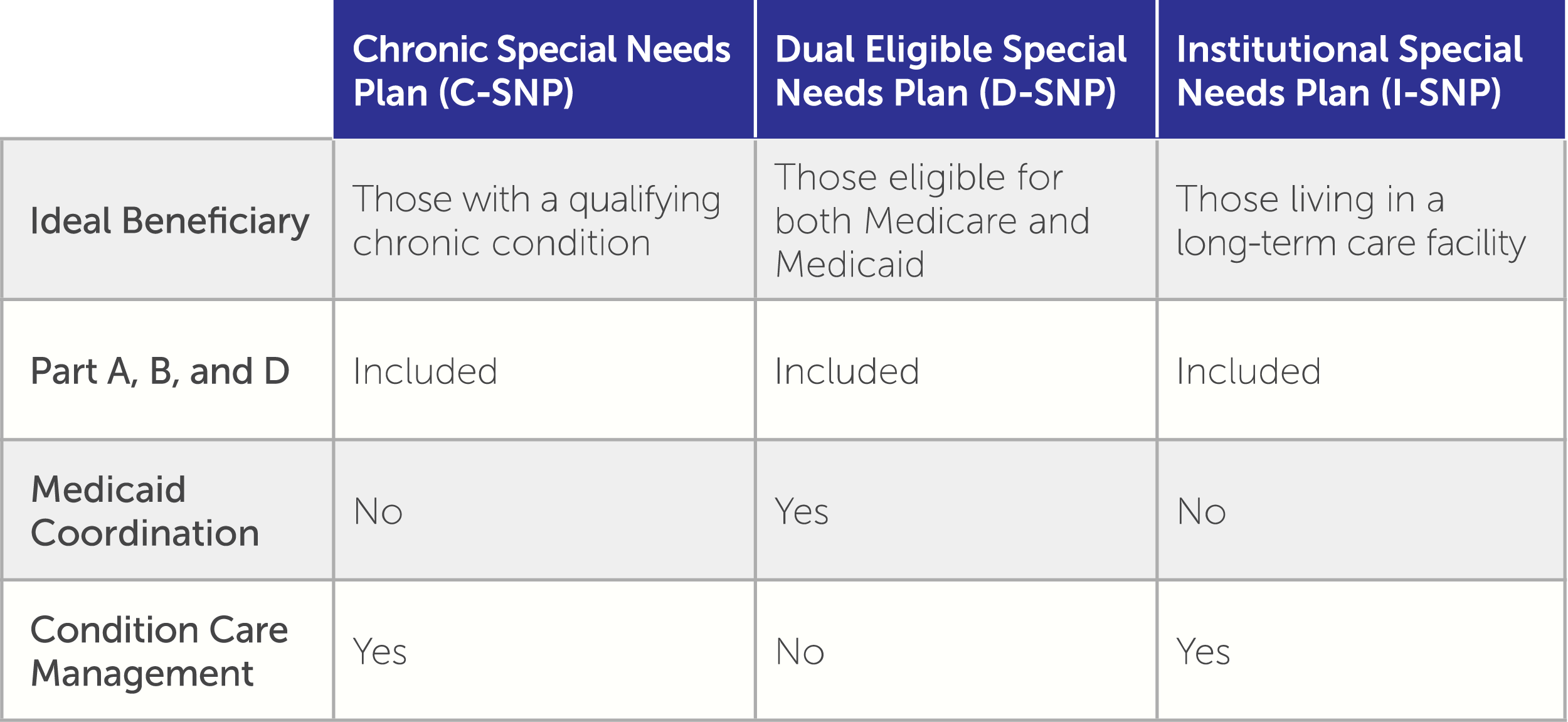
C-SNPS are one of the three types of special needs plans within Medicare Part C (Medicare Advantage).
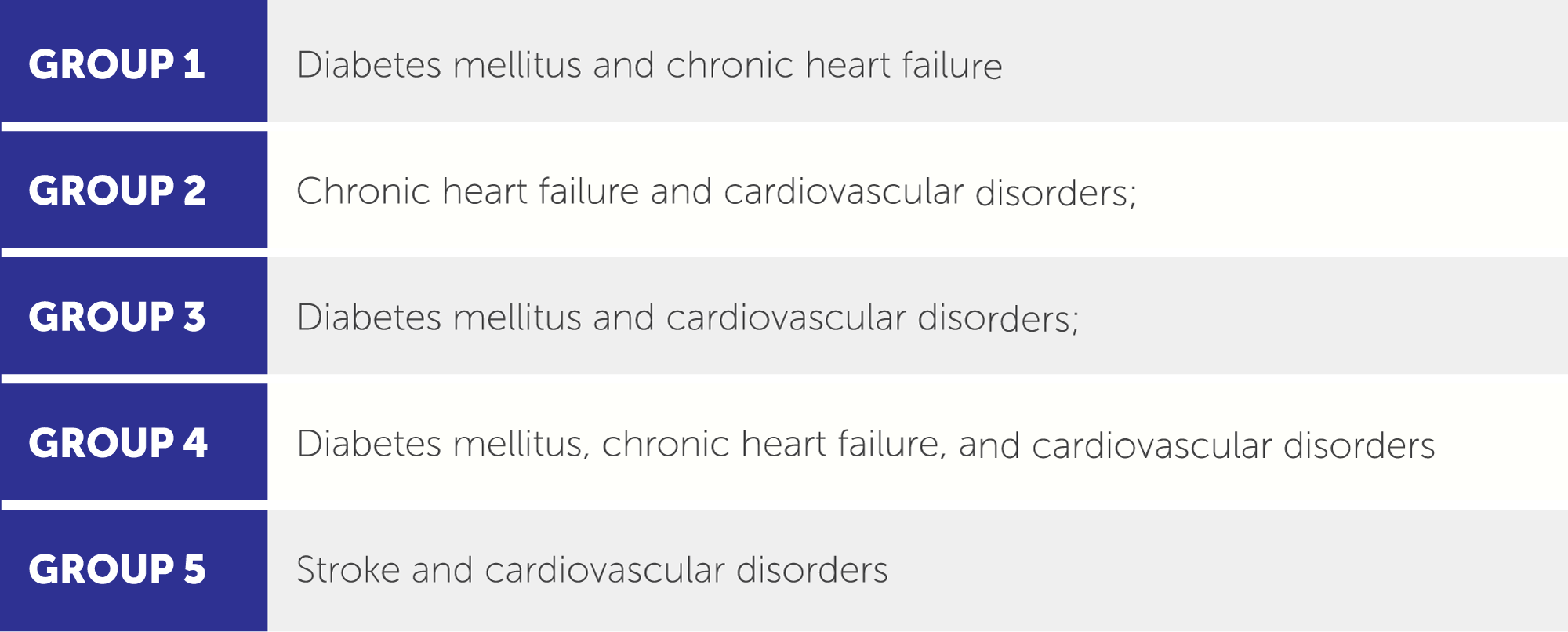
CMS Identified these five combinations of commonly co-existing chronic conditions: